Why Estimating, Scheduling, and the Shop Floor Feel Like Different Companies
TLDR: Estimating, scheduling, and production often feel like separate companies because they are designed with competing incentives and unclear handoffs. Most owners mistake this for a communication or culture problem, when it is actually a structural design flaw. True alignment happens when teams operate from shared definitions, scoreboards, and decision rights—not separate performance systems. Alignment isn’t culture—it’s design, and fixing it unlocks profit, throughput, and control.
If your business has ever “won” a job on paper… and then lost it in the building, you’re not imagining things.
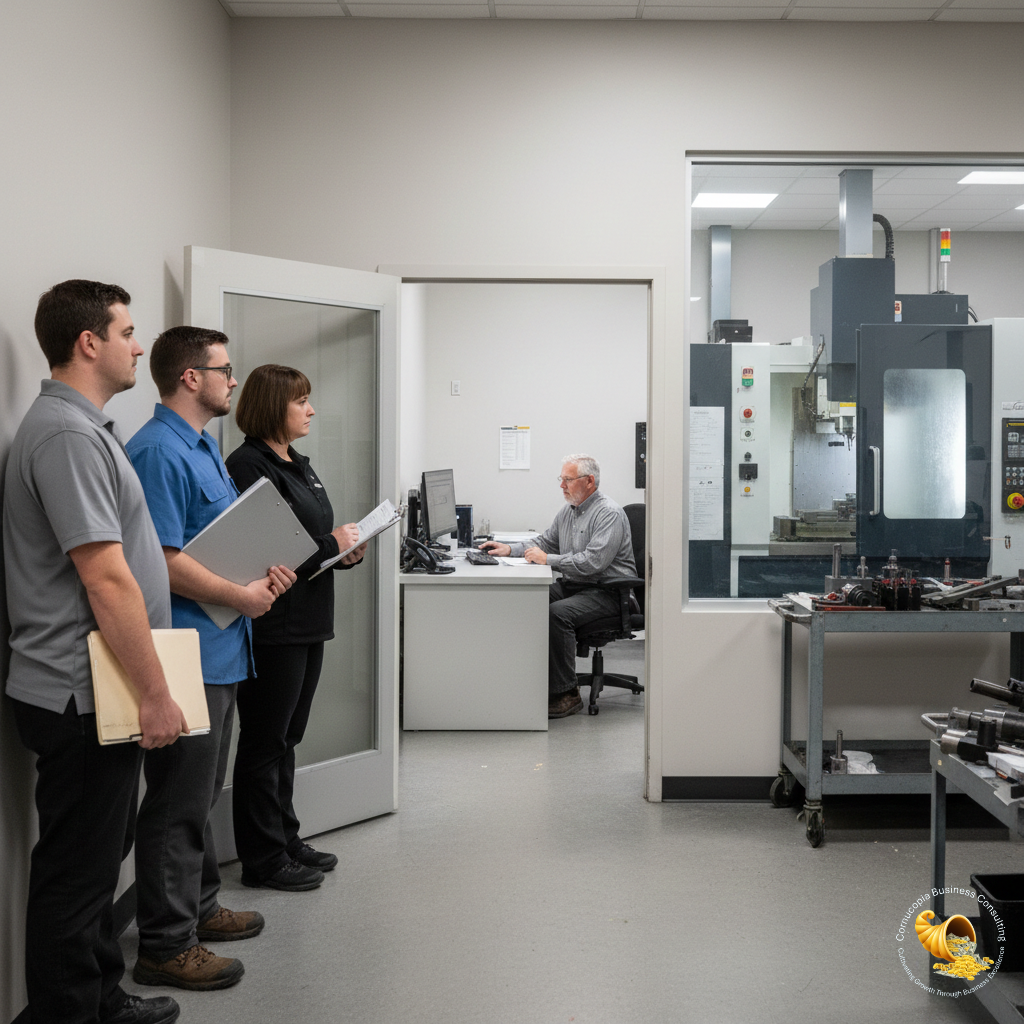
Estimating is promising one reality. Scheduling is trying to protect another. And the shop floor is living in a third.
Same logo. Same payroll. Three different companies.
And it shows up in the most expensive places:
Quotes that look profitable until setup time, material constraints, or changeovers hit the floor.
Schedules that look clean until expedite requests, missing tooling, or “just one more hot job” detonates the week
Production teams that look slow when they’re actually waiting on answers, approvals, travelers, or upstream clarity.
Here’s the hard truth: most owners think this is a “communication problem.”
It’s not.
It’s a design problem.
The NFL Super Bowl
This week’s Super Bowl storylines are a masterclass in alignment: Seattle’s defense vs. New England’s offense, plus the quiet importance of special teams and situational execution.
At the Pro-Football level, nobody says: “Let’s just have better culture.”
They design alignment:
shared language (signals, audibles, coverage calls)
shared constraints (clock, field position, risk tolerance)
shared scoreboards (what matters on 3rd and 6 vs. 1st and 10)
Now translate that to your operation.
If estimating is rewarded for win rate, scheduling is rewarded for on-time delivery, and the shop is judged on utilization, you didn’t build one company.
You built three performance systems competing for control.
The alignment myth that keeps owners stuck
Business leaders everywhere are talking about “alignment” right now because when strategy meets reality, silos form and execution slows down.
But most companies try to solve alignment with:
a meeting
a memo
a pep talk
a new software tool with old behaviors
That’s like Hollywood trying to fix production delays with a motivational poster. When the pipeline is constrained, the schedule slips no matter how talented the crew is.
What alignment looks like in a well-designed business
Alignment is not everyone “getting along.”
Alignment is when estimating, scheduling, and production operate from the same operating assumptions:
One definition of “ready” (what must be true before a job is released)
One source of truth (not email, not tribal memory, not “ask Mike”)
Clear handoffs (who owns what, when, with what information)
Shared scoreboards (margin, throughput, on-time delivery together, not separately)
Decision rights (who can approve changes, swaps, and expedites without chaos)
That’s the core of what I build with owners using my Modern Management Operating System, so your teams stop negotiating reality and start running one business.
Because the goal isn’t “less drama.”
The goal is more volume, more profit, and more control without you being the translator between departments.
Alignment isn’t culture, it’s design.
If estimating, scheduling, and the shop floor feel like different companies, message me “ALIGN” and I’ll show you the first two design fixes that create fast, measurable traction.