Hidden Cost of Unclear Decisions
The NFL playoffs are underway, and like clockwork, controversial fourth-down calls and last‑minute decisions are being dissected for days by talking heads on television. Not because the coaches are “bad,” but because those moments expose what every organization lives or dies by: who owns the decision, what information they’re using, and what happens when the outcome isn’t a victory.
They ask the same questions every time: Who made that call? Did the quarterback have the authority to change the play at the line? Did it come down from the offensive coordinator? Did the head coach hear it and intervene? When decision ownership is fuzzy, you don’t just get frustration, you get fallout.
Your business works the same way.
Most owners assume the cost of unclear decisions is minor, an extra meeting, a few Slack messages, some back‑and‑forth before things move forward. But the real cost is far more expensive, and it hides in plain sight.
It shows up as quotes that stall because no one knows who can approve pricing or terms. Schedules get rewritten mid‑week because priorities aren’t clearly owned. Production pauses while everyone waits for “the final call.” Customers sense hesitation, not because your people are uncommitted, but because they’re unsure who has the authority to decide.
That’s how firefighting becomes the operating system.
And here’s the dangerous part: this doesn’t always look like chaos. Often it looks like a busy, hardworking business where everyone is doing their best, but the organization still feels heavy. Progress is slower than it should be. The owner is still the bottleneck. And every problem seems to find its way back to the same desk.
In the NFL, teams don’t lose seasons because players don’t care. They lose because decisions don't happen fast enough, are overridden, or unclear under pressure. The same dynamic plays out in growing businesses.
When decision ownership is unclear, three predictable things happen.
First, decisions drift upward. Anything that feels risky or important lands on the owner, even if others are capable of handling it.
Second, speed collapses. People wait instead of act. They ask for permission instead of making informed calls.
Third, trust erodes, not because people don’t care, but because no one is confident about what they’re allowed to own.
If you’re trying to scale, this is the trap: confusion grows faster than revenue.
The solution isn’t more meetings or better intentions. It’s decision clarity.
Start with a simple reset that works in manufacturing, construction, retail, and service businesses alike:
Define decision ownership in three parts.
Who decides? Name the role, not “the team.”
What’s the trigger? When does this decision get made—during quoting, scheduling, or execution?
What’s the guardrail? Define the limits: budget thresholds, lead times, quality standards, or customer promises.
When those three things are clear, your best people stop hesitating. They start acting like owners—without you carrying the entire business on your back.
Confusion doesn’t scale. Leadership clarity does.
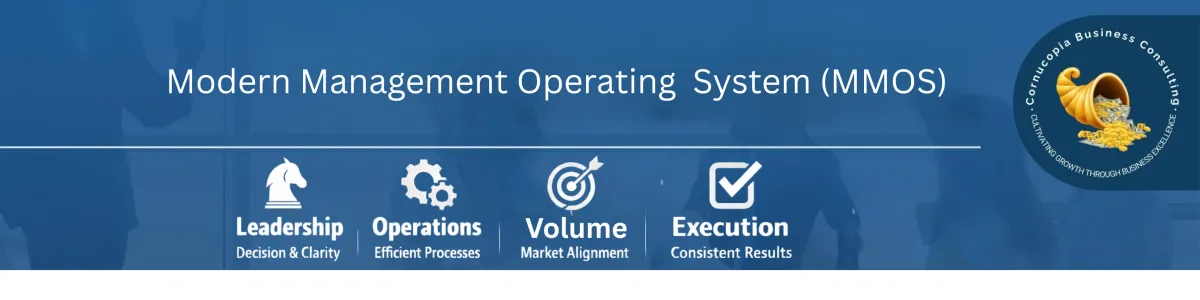
If you’re ready to eliminate decision fog from your quoting, scheduling, and execution—and stop treating firefighting as normal—reply to this email or reach out. I’ll show you how we install decision clarity with our Modern Management Operating System™, step by step.